October 25, 2026
The Winter Blues: The Hidden Impact of Less Daylight on Your Mood, Energy and Focus
Winter affects more than the weather. Discover how reduced daylight influences your brain—and how light-based technology may help support alertness and focus.
Why Does Winter Leave Us Feeling Tired?
As winter approaches, shorter days and reduced sunlight can leave many people feeling tired, unmotivated and struggling to concentrate.
For some, it's a temporary change in energy. For others, the effects are more significant.
Seasonal affective disorder (SAD) affects an estimated 5% of adults, while the milder winter blues may affect 10–20% of people. These estimates vary by geography and population.
Common symptoms include low energy, increased sleepiness, reduced motivation, difficulty concentrating and changes in mood.
But there's a biological explanation for why winter can affect us this way.
Our brains depend on natural daylight for much more than vision.
How Daylight Influences the Brain
Specialized cells in our eyes contain a light-sensitive pigment called melanopsin, which responds particularly strongly to blue wavelengths of light. These cells communicate with brain regions responsible for regulating circadian rhythms, alertness, sleep and processes associated with mood.
During winter, reduced daylight exposure can disrupt these natural signals, making it more difficult for some people to maintain their usual energy and focus. This connection between light and the brain is also why appropriately administered bright-light therapy is an established treatment for seasonal affective disorder.
Neuroscientist Marc Hébert's Blue-Light Hypothesis
Neuroscientist Marc Hébert, Ph.D., has proposed that carefully controlled blue-light exposure could help compensate for reduced natural daylight during winter.
His hypothesis suggests that stimulating the brain's light-sensitive pathways may help support circadian regulation and alertness, with potential implications for seasonal mood symptoms.
Could supplementing reduced winter daylight help counteract some of the effects of the winter blues?
It's a promising area of research. However, while conventional bright-light therapy has demonstrated benefits for seasonal depression, Bluefocus itself has not been clinically demonstrated to treat SAD or depression.
Introducing Bluefocus: Daylight-Inspired Technology
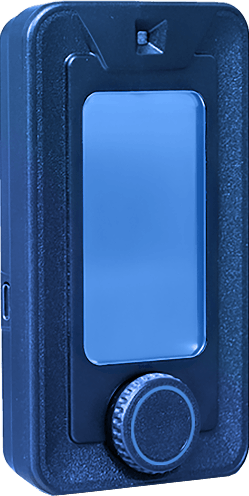
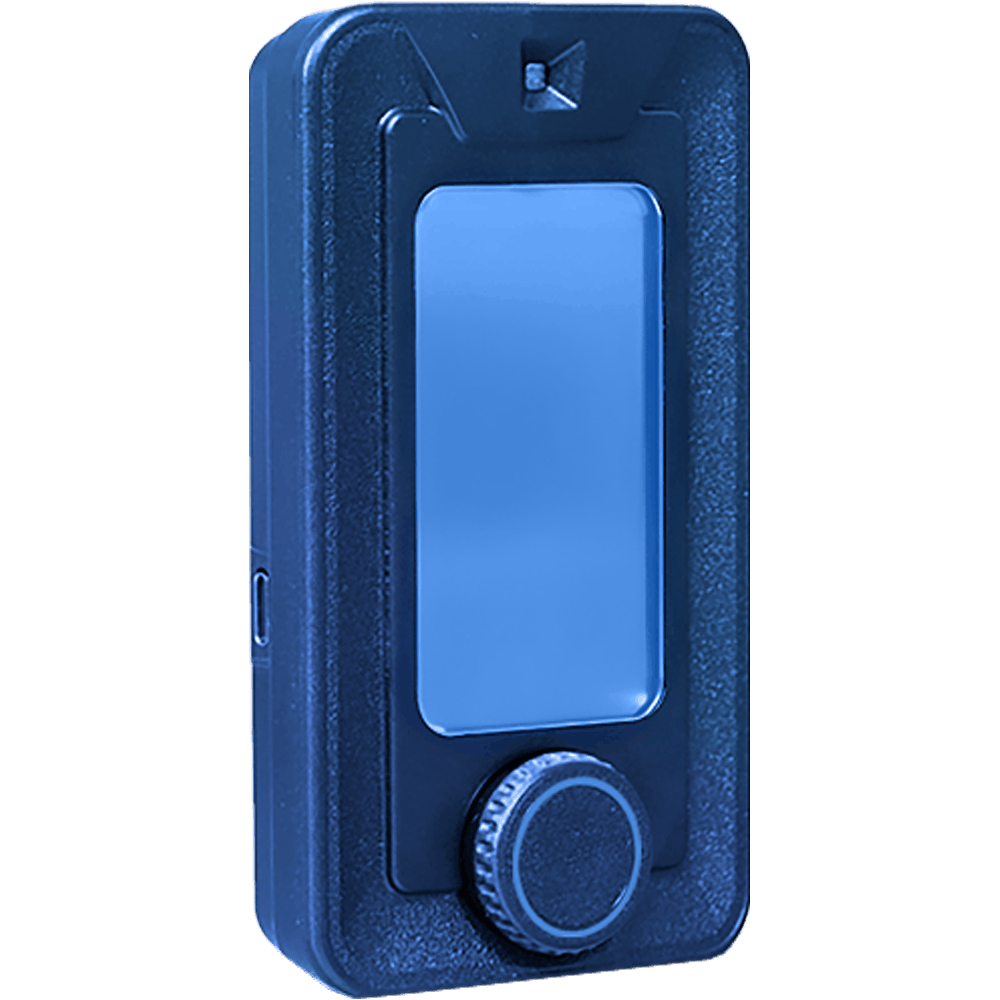
Bluefocus brings patented pulsed blue-light technology into a compact device designed for everyday use.
Using controlled blue-spectrum light and patented 70 Hz pulsing, Bluefocus is designed to stimulate the brain's natural light-sensitive alertness pathways.
Place it beside your computer or workstation, turn it on and continue your activities.
Whether you're studying through dark winter afternoons, working indoors or struggling to maintain concentration during shorter days, Bluefocus is designed to support alertness and focus when natural daylight is limited.
Because shorter days shouldn't have to mean less focus.