August 5, 2026
How to Stay Alert Without Drinking More Coffee
Feeling tired doesn’t always mean you need another cup.
Coffee is one of the most common ways people deal with tiredness. Morning meeting? Coffee. Long drive? Coffee. Late-night work session? Coffee. Afternoon crash? Probably another coffee. For many people, caffeine works well. But relying on it every time you feel tired can create its own problems, especially if you're consuming it late in the day, already drinking several cups, or simply don't like the jittery feeling that can come with it.
The good news is that caffeine isn't the only way to support alertness. Your brain responds to several different signals that influence how awake you feel. Here are some of the most useful ones.
1. Get more light
One of the most overlooked ways to support alertness is also one of the most natural: Light.
Your eyes don't only help you see. They also contain specialized cells that send information about environmental light to areas of the brain involved in circadian timing, sleep and wakefulness. This is one reason stepping outside into bright daylight can make you feel noticeably more awake.
When possible, get outside during the day, especially in the morning. Even a short period of daylight exposure can provide a much stronger environmental signal than sitting in a dim room. If you're working at night, traveling, driving after dark or working indoors for long periods, natural daylight may not always be available. That's where light-based alertness tools can become particularly relevant.
2. Move your body
When you're tired, sitting still often makes the problem worse. A short burst of movement can temporarily increase your level of arousal and help break the feeling of mental stagnation that comes from sitting in one position for too long. You don't necessarily need a workout.
Try:
- Walking for a few minutes
- Taking the stairs
- Stretching
- Standing while you work
- Doing a few bodyweight movements
- Walking outside
The goal isn't to exhaust yourself. It's to give your body a change in stimulation. If you've been staring at the same screen for two hours, even a five-minute walk can feel surprisingly effective.
3. Use caffeine more strategically instead of automatically
Avoiding another coffee doesn't mean caffeine is bad. The problem is that it can become the default response to every dip in energy. Caffeine works primarily by blocking adenosine receptors in the brain. Adenosine is one of the substances involved in building sleep pressure throughout the day. Caffeine doesn't eliminate that sleep pressure. It temporarily reduces how strongly you perceive it. That distinction matters.
If you're exhausted because you've been awake for 20 hours, another espresso isn't replacing the sleep your body needs. And because caffeine can remain in your system for hours, drinking it too late in the day can interfere with your next opportunity to sleep, potentially creating a cycle where poor sleep leads to more caffeine, which then contributes to more poor sleep.
Instead of asking: “How much caffeine can I drink?” Try asking: “When would caffeine actually be useful?” That can help you avoid consuming it simply out of habit.
4. Get out of the warm, dim environment
There's a reason a dark, warm room feels relaxing. Your environment influences your level of arousal. If you're trying to stay alert, a room that is extremely warm, quiet and dim isn't doing you any favors.
Try changing the environment:
- Increase the lighting
- Reduce excessive warmth
- Sit upright
- Open the blinds
- Step outside
- Change rooms
- Introduce some movement
Sometimes the fastest way to feel more awake is simply to stop surrounding yourself with cues that encourage relaxation.
5. Hydrate
Dehydration isn't the cause of every afternoon slump, but being inadequately hydrated can make you feel worse. If you've spent hours drinking coffee while barely consuming water, start there. Keep water nearby and drink regularly rather than waiting until you're extremely thirsty. It sounds basic because it is. But the simplest interventions are often the ones people skip.
6. Eat for steady energy
A huge meal followed by several hours of sitting can make an already tired afternoon feel even harder. Instead of using caffeine to fight your lunch, think about what you're eating. Meals that are extremely large or heavily weighted toward quickly digested carbohydrates can leave some people feeling sluggish afterward. Aim for meals that include a balance of:
- Protein
- Fiber
- Healthy fats
- Complex carbohydrates
You don't need to obsess over it. The goal is simply to avoid turning every meal into another reason your body wants to slow down.
7. Take a short nap when you actually can
Sometimes the best fatigue-management strategy is the obvious one. Sleep. A brief nap can be useful when circumstances allow it.
This is especially important when tiredness has progressed beyond “I'm a little sluggish” into genuine sleepiness. No productivity technique, light source, cold shower or cup of coffee removes your biological need for sleep. If you're struggling to keep your eyes open, having difficulty focusing or experiencing repeated lapses in attention, rest may be the appropriate solution. That matters even more when driving or performing safety-sensitive work.
8. Change the task
Mental fatigue can sometimes come from monotony rather than overwhelming physical exhaustion. Doing the same repetitive task for hours can reduce stimulation and make it increasingly difficult to maintain attention. If possible, switch temporarily to something different.
Move from passive reading to writing.
Move from data entry to a phone call.
Stand instead of sitting.
Work in a different room.
Changing the type of stimulation can sometimes restore attention better than trying to force your brain through another hour of the exact same task.
9. Be careful with the “energy drink cycle”
Energy drinks can contain significant amounts of caffeine, and some people consume them on top of coffee without realizing how much caffeine they're accumulating throughout the day.
The result can be:
Tired → caffeine → temporary boost → caffeine wears off → more caffeine → difficulty sleeping → more tired tomorrow.
The objective shouldn't necessarily be eliminating caffeine. It should be avoiding dependence on stimulation that may undermine the sleep you need later.
10. Work with your biology instead of only stimulating it
This is where the conversation gets more interesting. Most people think about alertness as something they need to force:
Drink something.
Eat something.
Turn the music up.
Push harder.
But your body already has biological systems designed to distinguish between periods of wakefulness and sleep. One of the strongest environmental signals influencing those systems is light. Specialized retinal cells containing a photopigment called melanopsin are particularly sensitive to shorter wavelengths of visible light. When these pathways are stimulated, information is sent to brain regions involved in circadian timing and alertness.
In other words: Your brain already has a built-in pathway that responds to light as a signal associated with wakefulness.
Where Bluefocus fits
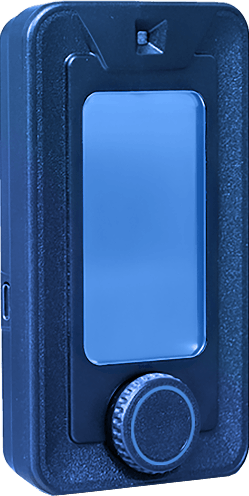
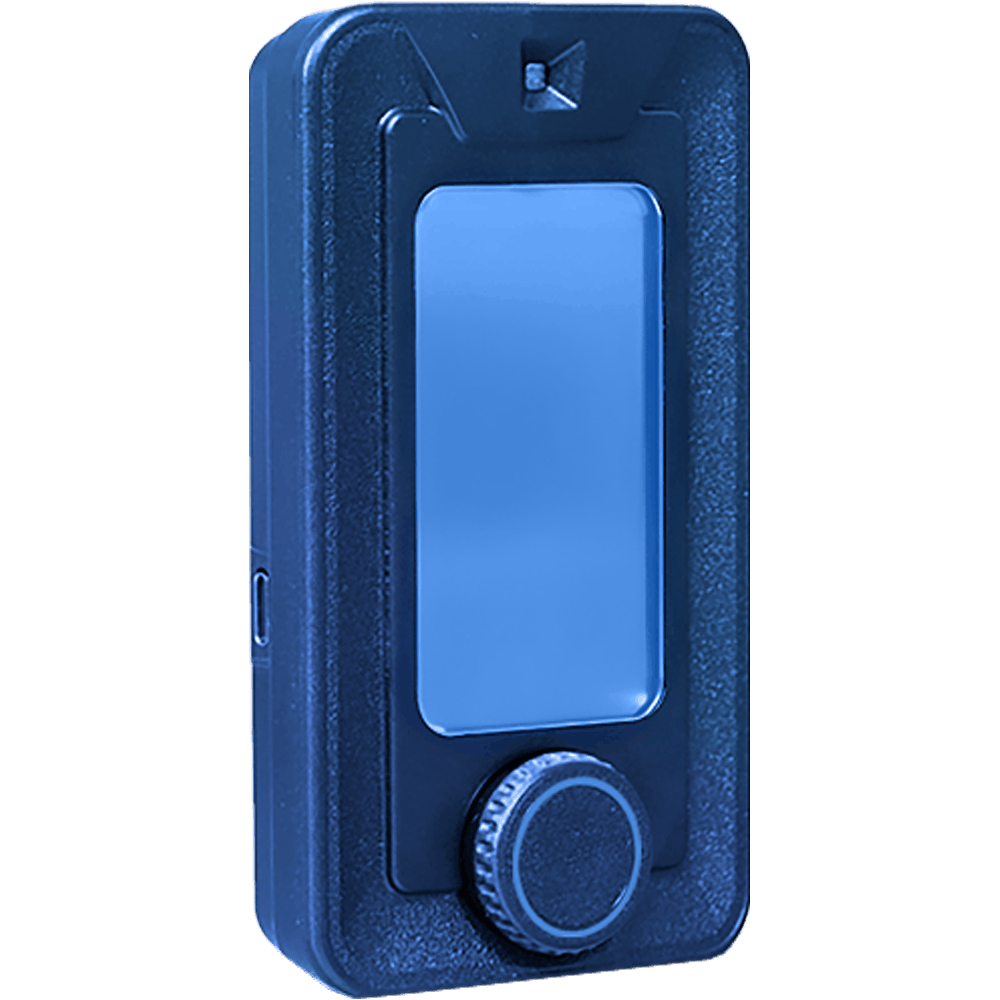
Bluefocus is designed around that biological pathway. Rather than introducing another stimulant into your body, Bluefocus uses targeted light around 480 nm to provide an intentional light signal when you want to support alertness. That makes it particularly relevant in situations where caffeine isn't ideal, or when you've already had enough.
For example:
- Long work sessions
- Studying
- Night shifts
- Overnight work
- Early mornings
- Late-night driving
- Extended travel
- Jet lag
- Mentally demanding tasks
The idea isn't that Bluefocus replaces sleep. It doesn't. And it isn't that coffee suddenly becomes unnecessary. Coffee and light work through different biological mechanisms. The advantage is having another tool available.
Coffee vs. Bluefocus
Coffee introduces caffeine into your system. Bluefocus uses light. Those are very different approaches. Caffeine primarily works by interfering with the brain's perception of accumulating sleep pressure. Light interacts with pathways your body naturally uses to respond to the surrounding light-dark environment.
That means the decision doesn't necessarily have to be: Coffee or Bluefocus. A better way to think about it is: What does my body need right now?
If you're moderately tired during a long workday, you may have several options. If you're preparing to sleep soon, another coffee may not be the best choice. If you're genuinely dangerously sleepy, you need rest. Alertness isn't a one-tool problem.
Your best strategy is usually a combination
There is no single trick that keeps you perfectly alert indefinitely. The strongest approach usually combines multiple strategies:
- Sleep well.
- Get daylight.
- Move regularly.
- Eat reasonably.
- Stay hydrated.
- Use caffeine deliberately.
- Use light intentionally.
- Take breaks.
And recognize when your body genuinely needs rest.
The goal isn't to fight your biology forever. It's to understand it well enough to work with it.
So the next time you feel your energy dropping and automatically reach for another coffee, ask yourself one question first: Do I actually need more caffeine, or do I just need a different signal?