October 27, 2026
Night Shift Work: The Hidden Cost to Your Health
Working nights affects more than your sleep. Research reveals how fatigue accumulates—and how innovative light technology may help.
Working Nights Comes With Health Risks
Millions of people work through the night to keep our world running—from healthcare professionals and truck drivers to security guards and industrial operators.
But working against the body's natural clock can have consequences beyond feeling tired.
Stanford neuroscientist Andrew Huberman highlighted these concerns during an appearance on The Diary of a CEO, warning:
"Night shift workers live shorter lives. Cancer rates go up. They're metabolically unhealthy."
Research has associated long-term night-shift work and circadian disruption with increased risks of metabolic disorders, cardiovascular disease, certain cancers and sleep problems.
And there's another concern: fatigue can accumulate night after night, affecting concentration, reaction time and alertness.
What Happens After 12 Consecutive Night Shifts?
A field study conducted at a mine in northern Canada examined how repeated night shifts affect workers' reaction times.
Thirteen industrial workers completed two separate 12-night rotations—one using patented pulsed blue-light technology and another without it.
The results were revealing.
Without blue-light exposure: Reaction times progressively deteriorated over the 12-night rotation.
With blue-light exposure: The progressive decline disappeared, and reaction-time performance remained stable.
These findings suggest that carefully controlled pulsed blue-light exposure may help workers maintain vigilance during demanding night-shift schedules.
Could Reducing Fatigue Today Improve Recovery Tomorrow?
Neuroscientist Marc Hébert, Ph.D., has proposed that reducing accumulated fatigue during night-shift rotations could help workers recover more effectively between rotations.
Over time, improved recovery could potentially help limit the progression toward chronic fatigue. This is a promising scientific hypothesis, although longer-term health benefits have not yet been clinically demonstrated.
Introducing Bluefocus: Daylight-Inspired Alertness Technology
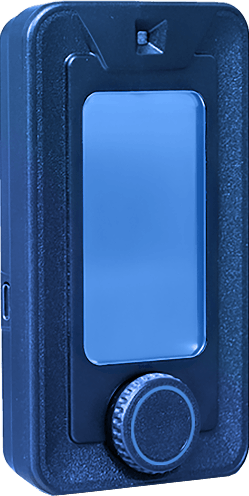
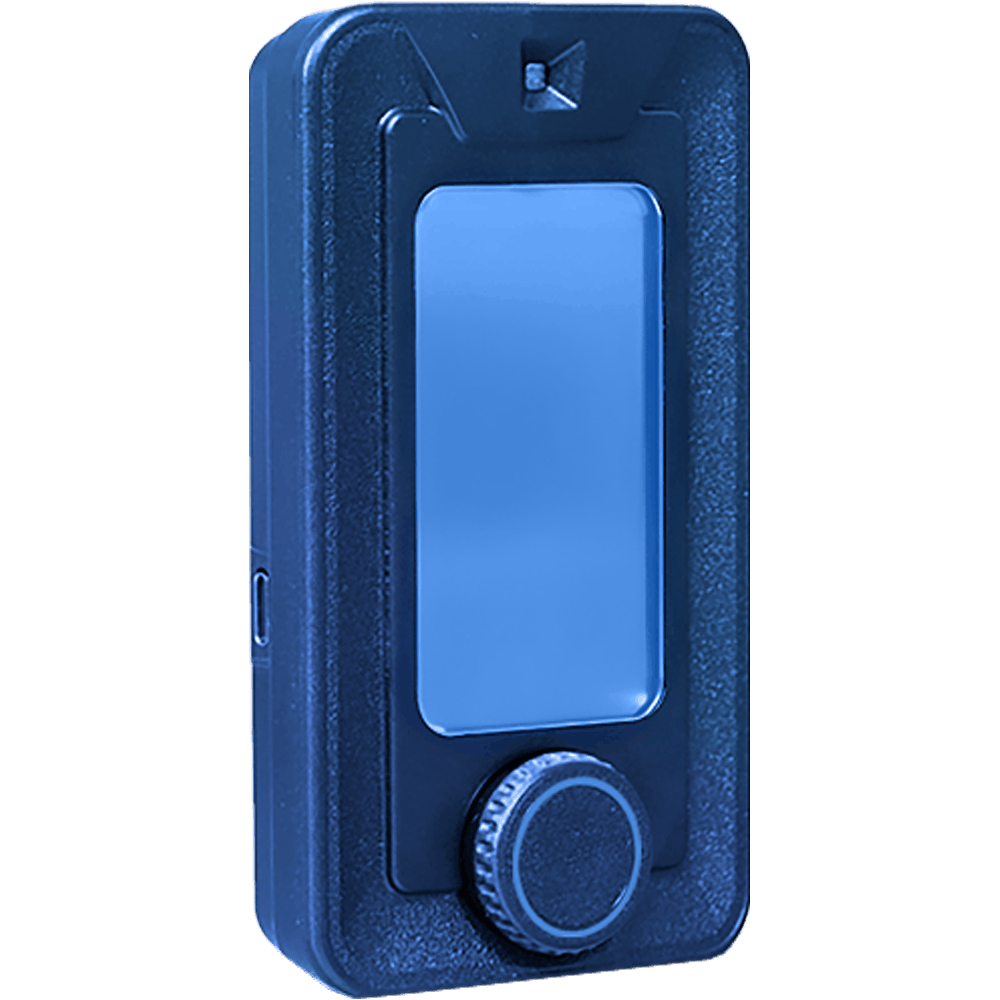
Bluefocus brings the patented pulsed blue-light technology behind Bluefocus into a compact device designed for everyday use.
Using controlled blue-spectrum light and patented 70 Hz pulsing, Bluefocus is designed to stimulate the brain's natural light-sensitive alertness pathways.
Whether you're working in a hospital, monitoring an energy facility, driving overnight or completing a late shift, Bluefocus is designed to support alertness and focus while you continue your normal activities.
Because working nights is demanding enough. Staying focused shouldn't have to be.